Bisexuality and Clinical Depression and Generalized Anxiety

A systematic review and meta-analysis by Ross and others[1] in 2017 examined 1,074 articles that reported bisexual-specific data on standardized measures of depression and/or anxiety. They looked at studies that reported mean scores and standard deviations for bisexual and comparison groups. They narrowed it down to 52 studies that passed stringent guidelines. Only eight of the 52 included studies that stated a bisexual-specific objective in their abstracts. Results indicated that bisexuals exhibited a consistent pattern of higher rates of depression and anxiety than heterosexuals and lesbian/gay people. They proposed that there were three interrelated contributors including sexual orientation- discrimination, bisexual invisibility, and lack of affirmative support. They argued that there was a lack of quality bisexual research despite evidence of greater mental health concerns.

Let’s first deal with the issue of invisibility of bisexual people. The answer is obvious, at least from the viewpoint of bisexuals. WE DO NOT WANT TO BE INVOLVED IN STUDIES. We prefer anonymity. Our sexual behaviors are private. We do not consider it a problem and certainly not cause for public concern. That would be true in most cases; however, we can’t ignore the number of us that are going through severe mental issues that seem to somehow be related to our bisexual nature. BISEXUALITY IS NOT A MENTAL CONDITION. Okay, that’s certainly true, but why are so many of us experiencing mental issues?

Secondly, let’s look at discrimination. Gay and Lesbian culture is now widely accepted by the general population but nonbinary, trans (especially men converting to women), and bisexuals are still facing a backlash. Transgender and conversion is a huge topic in itself so let’s leave that for another time. It is generally accepted that bisexuals face discrimination due to biphobia. It appears that the heterosexual community or the public at large seems to fear bisexuality as some kind of covert behavior that can lead to the weakening of the family and the general state of the community and country. It can be manifested as a disbelief in bisexuality as a valid identity – you are either a man or a woman and therefore should engage in sex as a heterosexual or as gay. The second issue is bi-erasure which refers to the tendency to deny or ignore our existence by both the general population and within the LGBTQ+ community. That would be good in itself; it is our own damn business. We want to be invisible so we can live our own lives and pursue sexual pleasures as our hearts so desire. But again, why the high incidence of clinical depression, generalized anxiety and suicide attempts. It is apparently an issue that cannot be ignored.

That brings us to the issue of lack of support. It would appear that the general population just want us to go away, or at least, just be quiet about our sexual tendencies. However, we may not have problems ourselves as individuals and we usually refuse to join groups of bisexuals for advocacy or just affirmation. I remember trying to start a meet-up group for bisexual people in Victoria BC. I immediately had close to fifty sign-ups. Another individual and I decided to have a meet-and-greet at our favorite breakfast venue. Nobody showed up except the two of us. However, the issue here is that as individuals we may be okay, but a very large number of us need to meet-up not for sex but just to talk about our issues and realize we are not alone. We also need to advocate for one another, not about our human rights, but about the unhealthy occurrence of mental issues among us.

                This brings us to the second major concern of this study – the lack of quality research with bisexuals as the major target population. We need to know a whole lot more about why so many of us are experiencing life-threatening mental health issues and then we have to start doing something about it.

Action Plan

  1. Many of us bisexuals need help and those of us who have gone trough our own Armageddon need to advocate for the help they need.
  2. We must work together to advocate for the meaningful inclusion of bisexual people in mental health research. We can advocate directly to our colleagues and acquaintances, and through our writing and involvement in professional associations.
  3.  There is certainly a need to address the mental health of individual bisexuals. We can advocate for affirmative support in the mental health sector. We can share information and resources about bisexual mental health. We can help people in decision making positions understand the need for intervention.
  4. We can be a voice in the LGBQR+ community to bring awareness of our specific gifts, talents and needs.
  5. There is no need for anonymity. There is nothing to be ashamed about. Like everyone else we are free to pursue sexual pleasures in our own unique way. Sex is meant to get the endorphins flowing for the establishment of meaningful relationships and creating a sense or well-being. If that is not happening, we may be in danger of becoming another statistic in mental health research.

[1] Lori E. Ross, Travis Salway, Lesley A. Tarasoff, Jenna M. MacKay, Blake W. Hawkins, and Charles P. Fehr. Prevalence of Depression and Anxiety Among Bisexual People Compared to Gay, Lesbian, and Heterosexual Individuals:A Systematic Review and Meta-Analysis. National Library of Medicine Published online: 03 Nov 2017. https://pubmed.ncbi.nlm.nih.gov/29099625/

Bisexuality, Nonbinary Nature, and the Human Heart

(The thoughts in this post are in no way meant to be critical for other people’s sexual experiences. They are simply part of my own life story.)

Bisexuality is much more complex than just the physical structures and chemistry of the brain. I also experience a variety of emotions such as joy and contentment when sex involves love, and confusion and self-doubt when I explore my sexuality through casual sex. After sex I often question things and wonder how it all fits into my life story and my love relationship with life-partners and family. I have an open relationship with my present life-partner, but I still have to deal with the feeling that my mate is the special someone who is at the core of my thoughts and feelings about sex and love relationships.

It is through our life-partners  that we may be involved in the production of offspring and the creation of a family. In my own experience, by being a father, I was able to  enter into a whole new dimension of love and sexuality. In my first marriage, when the children were younger and needed my contributions as a father, I kept my urges basically under control except for a few failures where I simply felt overpowered and ignored the possible consequences. However, once the children were grown up and were independent solid and productive human beings, all hell broke loose.  It resulted in my marriage break-up which I have regretted to this day. I was unable to let the love of my soulmate keep me from same-sex impulses. In my mind I could probably tell you why this had to happen, but I still view it as my own personal failure. My love was not strong enough to control my sexual impulses.

In spite of what I have deducted rationality, being nonbinary has had very little to so with my sexual urges. Being nonbinary simply means I do not adhere to widely accepted gender roles. I am free to form intimate relationships with both males and females, with or without sex. I am neither strictly male or female in the way I think and feel. I may be a combination of both or simply have socially evolved beyond restrictive standards established by society. I can experience freedom in gender identity switching from male to female based on my feelings or sexual expressions.  The female identity part of me may involve specific behaviors associated with being female like skills in social interaction and emotion regulation, while the male part of me might be involved in protection and providing. However, it is much more complex than that. At the root of it all is my desire for love and the need to overcome the complications placed on me by societal norms, morals, and expectations. In order to love myself I need to love being me and have the freedom to love whomever I want to love.

Sex for me has to be connected to love. After sex I need to linger in the moment to develop more love for myself and the one I am with. The male part of me uses dopamine and endorphins to pursue sex and enjoy body and brain pleasure. The female part of me uses serotonin after sex to help reinforce feelings of trust and relationship. Oxytocin is very powerful in my female side to help me sexually bond with my lover, so I have to be very careful with whom I have sex. Bonding means I have to give part of my emotional heart to my lover and receive part of my lover’s emotional heart in return. That means I have to connect at a deeper level of sex than casual hook ups. That means I have to have relationship before starting the sexual bonding process.

Yes, because of my nonbinary nature, I seek more intimacy with my partner with more touch, hugs, kisses, and perhaps sex. I explore the depths of love with my partner and share all those delicious feelings. Above all, I will never stop loving myself regardless of what I say or do. This love for myself lets me respect and appreciate the power of sex.  This love lets me respect and care for my present wife and any future potential sexual partners.

Bisexuality and the Human Mind

This next topic is very personal to me. There is no other topic that has caused me more concern and grief. I identify myself sexually as bisexual and gender as non-binary. That is not a problem – that is just my reality. But the problem then is how to keep this in balance, especially sexually. Specifically, how do I control my sexual urges that long to connect sexually with other males and females. Even more specifically I need to know if it’s okay to engage in hooking up just for the sexual experience which I have done occasionally throughout the years but not without concern and remorse. I also need to find clarity and consensus about open relationships. My life-partner and soulmate has encouraged me to exercise my gay side but I do not feel right about doing so.

From a strictly physical view,  I simply have sexual urges, the need for touch and sexual gratification. Some of this urge is part of my biological and chemical expressions connected with procreation. Beyond that I enjoy the wholesome intimacy I experience with my female partners, but I also enjoy the wild excitement I experience with my casual male partners. This is very confusing for me. On one hand I love the sensations that hit the pleasure centers of my brain when I engage in sex with someone new, but then I get all tangled up in in social and guilt issues. It can be very painful.

There is some evidence that my gender identity and sexual orientation are predetermined by prenatal exposure to testosterone and estrogen as well as to pheromonal input from the mother during the fetus stage. Of course, pheromones are obviously a major driver in all animals but not truly understood when it comes to humans. I can tell you it is real; I experience it at the subconscious level. As you know, the olfactory nerve connects directly to the frontal cortex of the brain, and it is through my sense of smell that I experience the pheromones of both females and males and am physically drawn to them. The heterosexual part of me includes my biological desire for procreation and bonding. The same-sex part is strictly a powerful urge for body-to-body connection coupled with sexual gratification. It can be a powerful physical high.

            Family and twin studies indicate that genes play a role, although no specific genes have been identified. It is through the activation of groups of genes from stimuli in the environment that has determined my bisexuality and nonbinary gender and my responses to sexual attraction that I have experienced during various stages of our life. My impulses have a lot to do with sexual regional connectivity and the differences in brain connectivity patterns between the presence of both male and female identification clusters within my brain. Having characteristics from both sexes impacts my sexual predisposition. A lot of my responses are governed by my body’s reaction to sexual attraction. Once my body is charged up for sex, it is very difficult for me to respond rationally.

My bisexuality and nonbinary gender identification has had a profound impact on my brain structures, rational functions, and neurochemistry. The mental component of sexual attraction for us bisexuals includes a range of factors such as sexual curiosity, sexual sensation seeking, and sexual excitability. When it comes to my nonbinary pursuits I have the qualities of both male and female brain functions. As a male I have a higher density of connections in the amygdala, which involves behaviors like aggressive pursuit for mating. The male side of my brain tends to be more efficient to lateralize and compartmentalize which has the advantage of making me more task-focused with less concern for consequences. The female part of my brain has a larger hippocampus for human memory and the maintaining of a life story. My female brain has more nerve connections with constant cross-signals. It takes in more so it tends to see how the sexual experience fits in with the bigger picture of life and family.

            The amygdala is often associated with fear and anger; however, it is also required when I work for rewards such as sexual pleasure and orgasm. For my male and female combined brain, the amygdala activates the neurochemicals; however, dopamine is initially much stronger in my male functions. When dopamine is released in my male brain, I immediately feel a sense of temporary pleasure, sexual arousal, and motivation to pursue resulting in a genital response. My female part of me, however, is slow in getting started but wants to prolong the experience. After orgasm dopamine levels decrease and serotonin levels increase. Serotonin usually decreases sexual behavior but creates a long-lasting feeling of happiness or well-being. Oxytocin is a hormone and a neurotransmitter that is sometimes referred to as the love hormone. It is more dominant in my female side then the male. The male part of me has had its rush and is ready to move on. In the female side Oxytocin levels increase during hugging, orgasm, and post orgasm and are associated with feelings of empathy, trust, and relationship-building.

As you can see, being bisexual and nonbinary have a strong clashing chemical iresponse making me sexually aggressive but much more sensitive. When it comes to casual sex and hooking up, the male part of me is satisfied and is ready to move on, but the female side of me wants to prolong the post orgasm experience and may feel that something is missing after casual sex. My mind also has to weigh social norms and expectations with my desire for sexual pleasure. This often leads to feeling of regret, shame, and guilt.

Alas, poor me, however, I am not a slave to my mind and body. There is part of me that can rationalize and control my impulses. I have to rely more on my heart for the pursuit of love for self and for the people with whom I have sex. Casual sex may meet my body and mind needs but it can be so much more. I need to follow my heart and seek more intimacy and deeper relationships.

Two Spirit Culture and Bisexuality

I love the term Two Spirit which was first introduced by Ojibwa elder Myra Laramee in 1990. The term which came to her during a dream meant someone who holds both feminine and masculine energy or spirit. Even though it has been accepted as strictly an indigenous term, I can’t help but identify with the thoughts and feelings with which it is associated. Perhaps it is my Western French-Canadian background where many of us can claim an indigenous grandmother or great-grandmother or perhaps this just resonates with the nonbinary dual-gender nature many of us bottom-types have. Personally, I like the term because it not only deals with sexuality, but includes the combined male-female sexuality, gender, and spirit that is akin to many of us bisexuals. It is this spiritual sense of my bisexuality that I have learned to live with and eventually have come to accept and love.

The term is relatively new, but Two Spirit people have been part of the North American indigenous communities for centuries. They have been documented in over one hundred and thirty tribes in every region of North America. Two Spirit usually indicated persons recognized as neither men nor women but whose bodies simultaneously housed a masculine and a feminine energy or spirit. From the indigenous perspective, the term involved understanding of gender roles in daily functions. This included wearing various clothing, doing specific works, and fulfilling specific community roles. They were called upon for spiritual practices including being healers and medical practitioners, being keepers of oral traditions and songs, and giving names. They may have had special functions in sun dances or other religious ceremonies. They could be caregivers or parents to orphaned children.

Traditionally, sexual and gender diversity was an everyday aspect of life, but after European colonization the Two Spirit people in their communities were viewed as being perverted and were often humiliated and shamed. In recent times the Two Spirit ideology has been revived to counter negative attitudes. However, life can still be difficult for many Two Spirit people until they come to terms with the dual sexuality and dual gender nature. This includes loss of cultural identity, alienation from family and friends, and problems with coming out. Like many of us in the bisexual world they may be prone to drug and alcohol abuse. They may suffer from depression, sex addiction, and other mental health issues related to trauma. The results are often tragic. In an Urban sample in the United States, gay, bisexual, and Two Spirit men were more likely to be physically abused. Forty-five percent reported sexual abuse or assault compared to two percent in the general population.

Two Spirit women also may face extreme stigma regarding their sexual orientation. They are subject to racism from the wider society and from other sexual minorities. In a recent study of Two Spirit women, seventy-eight percent had been physically assaulted and eighty-five percent were sexually assaulted. This is four times higher than the general population. Most experienced abuse by multiple perpetrators, including family members, acquaintances, and strangers. Assimilation into white lesbian culture often caused disconnection from their indigenous relatives and communities.

In some articles that I have read, it has been decided to adopt the practice of placing ‘2S’ for ‘Two Spirit’ at the beginning of ‘2SLGBTQ’ to acknowledge that Two Spirit indigenous people were the first sexual and gender minority people in North America. It is also an opportunity to demonstrate solidarity with them in this period of truth and reconciliation in Canada. It may also be a good motivation for us to take a good look at the indigenous communities in the pre-white era as a model for change in how we view bisexuality and other people in the nonbinary communities. It’s a good beginning, but like in so many technical solutions real change has to be on the personal level.

So how can we be helpful as a friend or partner? We can develop connections with them in our communities. As bisexuals we may find that we have so much in common that we can become good friends. We can be good listeners. We avoid judgmental comments and unsolicited advice. We ask how we can be helpful and respect their decisions even though they may be different from the ones we would choose. Above all we can show love and respect. These are special people just as we all are special people. We have so much in common. Most of us bisexuals are Two Spirit in heart.

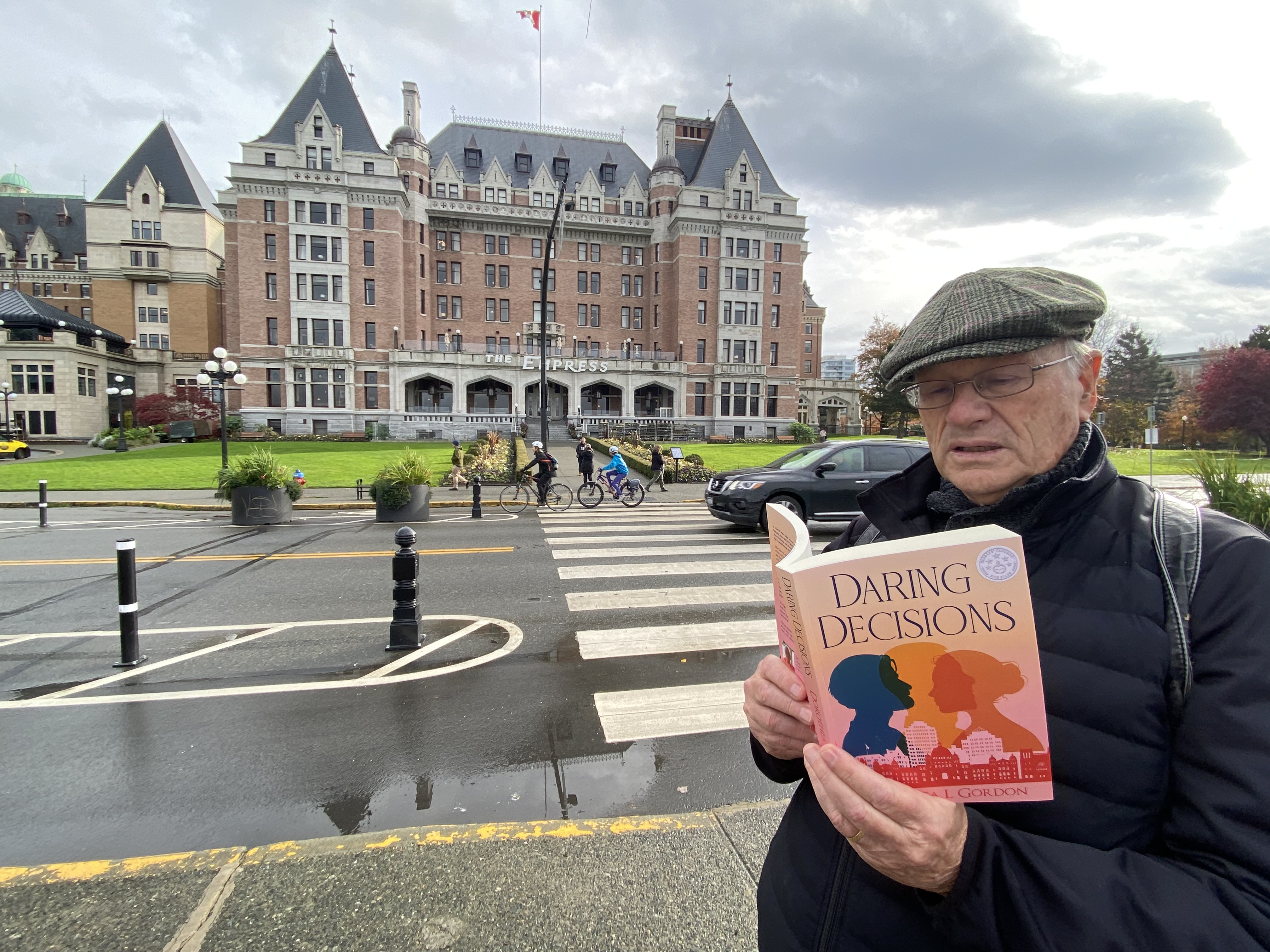
One of the reasons I have written this article after a long absence on this site is to let you know that my wife has written an excellent romantic novel involving bisexuality with a Two Spirit man as one of the main characters. He is a medical doctor whose wife divorced him when she found out he was bisexual. He never stops loving her even though he is married to another man. Would she be open to a menage-a-trois? Daring Decisions by Dorothea L. Gordon is a delightful read. It can be found on Amazon at: https://www.amazon.ca/Daring-Decisions-Dorothea-L-Gordon/dp/B0C87VXZHH

  • Ross, L. E., Gibson, M. F., Daley, A., Steele, L. S., & Williams, C. C. (2018). In spite of the system: A mixed methods analysis of mental health service experiences of LGBTQ people living in poverty in Ontario, Canada.PLoS ONE, 13(8),e0201437https://doi.org/10.1371/journal.pone.0201437

Bisexuality and BPD – Make a Plan and Stick to It

Borderline Personality Disorder (BPD) – Pathological personality traits in Disinhibition – impulsivity: acting on a momentary basis without a plan or consideration of outcomes (DSM5).

The Problem

                As mentioned in previous blogs, over 2% of the population have some degree of Borderline Personality Disorder (BPD) and roughly a third of those with BPD are also bisexual. There are no stats for the reverse – the number of bisexuals with BPD – but my guess is it would be even higher. We often engage in harmful behaviours to ease distress in the short-term, despite the possible serious negative consequences in the long-term. Of the BPD population 8 to 10% of us eventually commit suicide – this rate is more than 50 times the rate of suicide in the general population and 10 times the rate in people diagnosed with Depression, and that does not even include those of us who depart because of drug overdoses. One of the defining traits that is connected with suicide attempts is impulsivity. In this blog we are going to take a look at how this trait of BPD affects us as bisexuals and we are going to focus on developing plans and strategies with due consideration of outcomes. First let’s take a look at the science to see what we are up against.

The Science

                Cackowski and others[1] used self-reporting to study 31 unmedicated women with BPD and 30 healthy matched women controls using measured response inhibition under resting conditions and after experimental stress induction.  Patients with BPD reported higher impulsivity under both conditions. They concluded that there is a significant impact of stress on self-perceived state impulsivity and on response disinhibition in females with BPD.

                So what is happening in the brain? Leyton and others[2] studied 13 medication-free men and women with borderline personality disorder and 11 healthy controls using positron emission tomography (PET Scans) during a survey of go/no-go commission error activities. In both men and women, negative correlations with impulsivity scores were identified in the medial frontal gyrus, anterior cingulate gyrus, temporal gyrus, and striatum. They concluded thatsynthesis capacity in corticostriatal pathways may contribute to the development of impulsive behaviors in persons with borderline personality disorder. In the male subjects, low trapping was also observed in the medial frontal cortex extending into the orbitofrontal cortex, as well as in the corpus striatum. These sites correspond to regions that seem to be involved in  mediating the planning, initiation, and inhibition of goal-directed behaviors, working memory, and emotional affect.

What it Means

                So what does this mean in plain English? Well friends, we have a problem. Not only do we engage in risky behavior, not only do we seem to intentionally neglect to plan ahead, but under stress we seem to forget all the plans that have been planted in our brains by past experiences and the good intentions of therapists. As bisexuals this is often connected to our sexual behavior. We tend to seek encounters to relieve stress and we tend to avoid safe sex to add a risk factor that adds a level of excitement and pleasure. There is a reason for this. It is the way we are wired. Because of our genetic predisposition to be over sensitive, and the environmental factors that have shaped our behavior patterns, we now have a brain that says run like hell from pain, indulge in pleasure, and to hell with the consequences. The brain scans indicate that both men and women have difficulty reacting to sensory information to controlling emotions (corticostriatal pathway). Women seem to rely more on an emotional response whereas men run into further difficulty when we try to organize that information for decision making (frontal cortex extending into the orbitofrontal cortex). We both end up in the same place with seeking emotional relief usually by avoiding pain and seeking pleasure regardless of the consequences (temporal cortex, limbic areas). This seems to be particularly relevant under stress. As bisexuals we actually seek the pleasure and stress that goes with is rather than try to avoid it. So how do we combat our natural reactions, especially under stress?

Here are my five suggestions for bisexual borderliners:

1. First line of attack is to control your stress and anxiety levels. To do that you have to learn to read your body signals and stop the anxieties in their early stages before they blow up and you lose control. After that – game over until next time.

2. The best way to relieve anxiety is to get out of your emotional mind (corticostriatal pathway). The best way to that is to shut down all thought because at this stage thought leads back to emotion. You can do this by deep breathing. By concentrating on your breathing you interrupt the flow of negative energy into your brain. I recommend the thirty second breathing activity (in the past I said eight for anxiety relief, but science now suggests thirty for healing and building new brain patterns). Take a deep breath and then slowly let it all out (I recommend a stop watch rather than counting). When there is no air left, hold that until the 30 seconds are up. Keep doing this until you feel a sense of peace, calmness and control.

3. Once you have achieved this sense of peace, you are now free to confront your emotions. Self-talk your way through the process. I recommend doing this out loud as this will engage more of your brain and bring some organization processes to the emotional center. Tell yourself why you are seeking sex. If it is for pain relief or to alleviate stress, don’t do it. Find a better way to deal with the pain. If it is for pleasure and you have considered the consequences (besides just pleasure) than go ahead and enjoy. Bisexual women are naturally good at this. They are usually more emotionally intelligent than men and allow themselves the freedom to explore their emotions with their sex partners resulting in an emotionally and physically pleasing experience (sorry for the sexism but there is some truth in it). Bisexual men tend to shut down their emotions all together and just focus on the physical pleasure and may miss out on the broader pleasures that come with intimacy.  

4. Now that your emotions are under control, you are ready to tackle the problem that caused the emotional reaction. This is where your orbitofrontal cortex comes in. You can do this in two parts. First see where the event fits into your life story. You may gain insight into what has happened in the past to cause you to react this way. You can then decide what it is you wish to build into your life in the present and future through your sexuality. By looking at the whole picture, the top down approach, you can see where individual decisions fit into the greater good for yourself. You can then bring your sexuality and the emotions connected with it into your bigger life picture thus adding meaning and purpose into your sexuality.

5. You can then go on to making a plan and putting gates and strategies in place for when these kinds of situation occur in the future. Men are good at this; it’s the emotions that they cannot handle. Both men and women bisexuals with BPD need to build new thinking and behavior patterns. If your plan does not seem to be working, and if you seem to be sabotaging your own goals and happiness, you may need to seek professional help. Whatever strategies you put in place don’t give up on them. It took me sixty years to develop my self-defeating thought and behavior patterns and it took me two years of constant vigilance to change them. Just keep believing in yourself, learn to say you are sorry (including to yourself), learn from the experience, reset your goals and strategies if needed, and remember that you can do this. You are a beautiful and powerful spirit being. Your sexuality is there to bring pleasure, intimacy, and love into your life. Keep the goal in mind and work towards that goal one step at a time.  


[1] Cackowski, S.; Reitz, A.; Ende, G.; Kleindienst, N.; Bohus, M.; Schmahl, C.; and Krause-Utz, A.. Impact of stress on different components of impulsivity in borderline personality disorder. Cambridge University Press.  March, 2014.

https://www.cambridge.org/core/journals/psychological-medicine/article/abs/impact-of-stress-on-different-components-of-impulsivity-in-borderline-personality-disorder/E8AF2E2CB9606F30E1F3AA9EF7F12679

[2] Leyton, Marco; Okazawa, Hidehiko; Diksic, Mirko; Paris, Joel; Rosa, Pedro; Mzengeza, Simon N.; Blier, Pierre; Benkelfat, Chawki.  Brain Regional α-[11C]Methyl-L-Tryptophan Trapping in Impulsive Subjects With Borderline Personality Disorder. The American Journal of Psychiatry. Vol 158, Issue 5, 2001

Published Online:1 May 2001 https://doi.org/10.1176/appi.ajp.158.5.775


Two Sides of Heaven – Two Sides of Hell

Lets Leave the science of bisexuality behind for awhile and share the true life story behind my struggles with sexuality. For the next few months, I want to tell my story. This is the first chapter in the biographical novel that I am presently putting together. Comments welcome.

Chapter  1 – Setting the Stage

Growing up on the Canadian Prairies in the 50’s and 60’s, I was aware that society expected people to conform to the rules of normalcy and religion. There was religion in my life but not much normalcy. I was the ninth child but had no father as a role model. My mother was too worn out to take an interest in my life; my eight siblings were all much older than me, so I basically brought myself up.

Counting mon, we were a family of ten living in a two-bedroom six-hundred-square-foot shack. It was a small house with ten cold bodies and ten cold minds, feeding off the heat of the friction of ten fragile egos and ten angry souls. My oldest brother left to work as a teacher in a small Saskatchewan village. That left eight of us still at home. The twins, who worked and helped support the family, had one of the bedrooms. My three brothers who were now teenagers had to share the hide-a-bed in the living room. I shared a bedroom with only one bed with my mother and my two sisters. It was a small bed sleeping between a cold mother and two hot teenaged girls who snuggled for warmth in a cold barren room in a cold barren house. It was a small space for a young child caught between the sheets with those who care and nurture, a lost, cold child who will forever seek to share the same comforting warmth of four like souls in a bed.

Around the age of five my two twin brothers shamed me into moving into the other bedroom with them. I still remember the feeling; it felt so unnatural.  Some of my earliest memories were about being aroused by the sight of my twin brothers’ adult male penises as they dressed for work. It was like I was all alone watching by older brothers live. My young life was like living in a desert. The struggles of desert life lay hidden to those who only view it from a distance. It was dry and lifeless, with all its passion stored under rocks and sand, emotion hidden like serpents in pockets along the trails into the wilderness ready to slither out and strike. My life suffocated under the motion of the wind that dried out the last drops of courage in a blast of hot air aimed to destroy and kill. Naked, burning, isolated, insulated, my life waited for the right moment, to dare to spread my limbs in the hot sun, to make the sap flow up to the surface, so that my own life could begin. There was no self-love. No self-identity of being a boy. No self-identity period.

Living with so many hot-blooded teenagers, I had a sense of sexuality from a very early age. I had an absolute fear of taking my clothes off in the presence of other boys in the change rooms at gym or the swimming pool. I felt like I was a girl trapped in a boys change room trying to hide my sexuality.  I also had an unnatural response to being hugged or touched by older males. It was like I was experiencing a latent sexual response that made be recoil in fear and disgust.

When I look back at my life, I cannot separate the past from the present. All that I am in this moment is seen through the pain of the past. I was young when I took responsibility for raising myself.  I was finger printed when I was five. My next oldest brother, Ivan, six years older than me, that would make him eleven at the time, got together with another guy (I forget his name) the same age who lived down the block from us and they stole a bunch of batteries from a salvage yard. My brother’s friend also had a brother my age, Robert Sinclair, who had become my closest friend. The two mastermind criminals got Robert and me to load up the batteries in our wagons and go sell them back to the same salvage yard. The haul would be seventy-five cents a battery, for a total of three dollars, a fortune at that time. That would provide the funds for thirty movies at ten cents a shot or sixty ice-cream cones from the corner store at five cents a pop.  Needless to say, that plan could only end in disaster. The salvage yard called the police and I wound up in the police station. They carried out a very skilled interrogation by which I spilled the beans and confessed in tears to what had transpired. In order to scare the hell out of me, they took my fingerprints and then called Victor, one of my twin brothers, to come and pick me up. Ivan disappeared for three days before daring to come home.

I was drunk when I was seven. I remember that night as though it was yesterday. There was a party at my house with the young guys and couples letting off some steam. Mom had vacated the premises, and unable to sleep, I was left to navigate the party as best I could. Beer was flowing liberally and I saw my chance. I got a glass from the cupboard and went from brother to brother for a sample. I was soon feeling like I owned the night. I remember jumping on the bed and feeling the bounce like I was floating in air and then coming down again only to rise one more time. My oldest brother, Rene, noticed what was happening and realized I needed some fresh air. He got me on my trusty steed and I pedaled around the community in the night pushing my bike as fast as it would go up and down the streets feeling the rush of the air slipping past my face.

I set my own hours of coming and going when I was eight. I grew into a powerful young man that no one fought with, fearing the cold, latent anger percolating just below the surface. I lived in an impoverished community with single or incapable parents trying to raise large families. One family, the Roblins, had seven boys being raised by an alcoholic father. Two others boys were being raised by tired grandparents because their daughters could not raise them by themselves.  We terrorized the community. But somewhere around the age of eleven I found competitive sport, hockey and baseball, largely because of the guidance of my brother, Vic, who was trying to be the father I never had. He worked in a Sporting Goods store and kept me supplied with sporting equipment. He attended all my games and I set out to make him proud of his baby brother. I made new friends. We golfed together and kept score on how life was progressing. As we moved into our teen years, my old friends got arrested one after another for crimes, ranging from car theft to rape, and eventually armed robbery and murder. It could have been me if I had ever let the smoldering emotions out of the bag.

At the same time I found pleasure in academics and read extensively and wrote my first novel at the age of twelve. I was academically gifted scoring perfect 100% scores in both English and Mathematics on the provincial exams in Saskatchewan during my grade eight year, in preparation for moving on to high school for grade nine. I had an unquenchable desire for perfection. I was a talented athlete in every sport I attempted. I was pretty, sought after as a trophy by the girls. I was the most popular boy in my school not only with the girls but also with those who lived on the outside. I would not allow bullying in my school yard. If I saw someone being picked on I would jump in and defend the one who needed a helping hand. But I did not stop there. I made sure they were included in the workings of the group. When I think about my motivation now, I am sure that it was based on my own feelings of being isolated and alone. By saving them I was saving myself.

As I entered my teen years, I rebelled against the sculpturing of my older siblings. I rejected the masculine brutality, the drive to push myself, my thoughts, and my desires into the fight fought by alpha males. I rejected the anger and coldness aimed at my sisters and mother. I rejected the feminism that manipulated in the guise of weakness. I became a reconciler, a mediator, a seeker of peace, a lover of justice, a poet who watched from the outside, and in the process rejected and ignored the poet on the inside.

As I reached puberty, I realized I was different but didn’t quite know how. I know the day it started. At the age of fifteen, I had the impulse to try on women’s clothes and experienced an erotic arousal. It just happened one day. I was visiting my brother, Ivan, and his wife in Edmonton during the summer holidays after my Grade 9 year. While they were away at work, I decided to try on his wife’s panties and panty hose. It was like another side of me had said to my masculine self to “butt out for a while and let the other me take over”. It was like a dissociative experience but I was totally aware of who I was and what I was doing. As I felt the silk panties slip sensuously over my penis, I had an immediate erection. As I buried my throbbing body into my pillow. I had my first conscious ejaculation. Oh I had ejaculations before, but they had occurred during wet dreams. This was different. It was a masculine moment clad in a feminine identity. That was my first experience in bisexuality. 

I had no one to talk to who could help me understand what was happening to me. As I struggled to figure myself out, the stage was set for a life based on guilt, anger, and shame. It was all so confusing. It was like Loki had played a cruel joke on me and put my female mind into my male body. But that was not the funny part, the real joke was that I was completely comfortable as a male and at the same time completely comfortable as a female. I was bi-gender. It was just a matter of time before my bi-gender would turn to bisexuality.            

                Back in North Battleford in the fall, I went to the all boy’s Catholic college and again excelled in all subjects. Catholic boys went to the college and Catholic girls went to the convent. The wisdom of the priests and nuns determined that it was safer this way. It did not do much for my social life but it sure made a difference academically. I made no attempts to have any relationships with girls in the other high schools but I did not have any desire for sexual contact with boys either. I was able to disguise the feminine side of my identity and not worry about dealing with dating.

                Around this time, I discovered an erotic novel, Last Exit to Brooklyn, that stoked my fantasy life with frequent journeys into masturbation and release. It was like my gay sexual desires were now a part of a fantasy world that was just that, a fantasy world. I looked at the gay world through my limited knowledge of what I thought it meant to be gay. It was just these weird people in the big cities that dressed up as women and went to special bars to solicit sex from men. I did not see my own experience as being any part of that. I was content to live sexually in my fantasy world and devote all my conscious energies to sports and academic excellence.

                It was during that year that I decided to join the priesthood which delighted my mother. She told me I was the seventh son and the seventh son was special; that’s why God had selected me for the priesthood. I informed the priests at the college of my decision and they begin to monitor my school progress. Father Gokarts, the regional recruitment priest, visited me often during those years. Because of my academic excellence, he informed me that I would spend one year at the novitiate in Ottawa and then it would be on to Rome to finish my education. My future was laid out for me. I could relax, forget about my sexuality, and just go with the flow. When I play the game of imagining what life might have been like, I wonder if I would have perhaps lived a life of peace, contentment, and purpose instead of the one that resulted in so much pain. However, looking back, I now realize that this was my attempt to escape the turmoil of my suppressed sexuality. Here I would be close to god and god would protect me from myself and forgive me for my perceived perversion and sin. But it didn’t work out that way. My teenaged sexuality was suppressed and bound to force its way out regardless of what I did to stop it. In desperation I took the six inch metal crucifix that hung above my bed, attached a chain, and wore it around my neck to fend off the evil spirits of my bisexual fantasy life that I seemed powerless to control. Meanwhile I kept the confessional busy.

                One day during one of his visits, I got up the nerve to tell Father Gokarts about my sexual problems. He immediately assumed that I was experimenting with masturbation and assured me that this was not a game-changing problem and that all boys eventually will struggle to come to grips with their sexuality. I accepted what he said lock, stock and barrel but did not tell him about the nature of my sexual fantasies. During these years I experienced deep levels of guilt and shame and suppressed any confusion and pain related to my same-sex fantasies. It never occurred to me that I could be gay. I simply was male. A popular male. I was asexual in all outward aspects of my high school life. I was a man’s man in a boy’s world.

                Between academics and sports I blissfully made my way through high school. We had a terrific sports program at the college, but sports were a weird thing for me. I was highly skilled but I lacked the aggression needed to take it to the next level. I dropped out of junior hockey in my grade twelve year and concentrated on other less aggressive sports.  I represented the district, skipping my high school boys curling team to the provincial finals, and won the Northwest Saskatchewan Junior Golf Championship.     

                As I moved into my grade 12 year, I focused on my studies, sports, and my hopes of becoming a priest and withdrew from genuine relationships. I created a fantasy world with imaginary lovers. Sexual impulses became fantasies of women without souls. This led to fantasies of men without faces. As time went by, all feminine images disappeared, and I was left with the loveless eroticism of faceless men. My self-concept was based on the faceless person I had created. I had no self-esteem, just the unattainable drive to be perfect so that I could feel worthy enough to be loved. I detached myself from the confusion and pain. I had no self-identity; so I continued to stand by and watch myself live. As I grew into a man I lost my way. I wanted to please them all. I wanted to submit, to just let go of my responsibilities and struggles and be taken care of by a man, by the father I never had, or by a woman, the mother who was never there.  My sexuality became just a tool to be used to please, a means to make others love me. My life became a life of pain without tears.

                 Looking back at my childhood now as a mature adult, I think I now understand what was happening to the confused child in me that was becoming a confused young man. I was conceived by a single mother with nine children. After her husband had left her to raise the family by herself, she was lonely and needed comfort and someone to want her so she had an affair. She got pregnant and went through the anxieties of having to nurture another child, her eleventh birth having lost two girls in childhood.  I was born unwanted. I was the evidence of her sorrow and sin.  Following the fearful death of my infant sister, who had been born a few years before me and died a few months before I was born, with no resources, skills, or energy left to give me the essentials of life, my mother raised me loving, but never daring to feel or show love. So I grew up feeling unloved.

                 I was guided by two half-sisters and six half-brothers determined to make me into the man I could not be. Rejecting their scorn, betraying my mentors, I took responsibility for raising myself, growing into a man with no identity, neither male nor female.  I fluctuated in the void. Caring and loving, thinking and absorbing, longing for completion into something, someone, that I could respect and accept, I found only my own failures, and broken relationships, and inadequacies, and unachievable goals. In my fantasies I found masculinity in the arms of soft young women; I found femininity in the strong arms of faceless men, but they could complete me only in the ecstasy of the climax. When the details were consummated, and the lights turned on, I was alone again in my own darkness, incomplete and broken. I had no identity, except the one I had created for himself, forged fearfully in the fires of hell. I had nothing real to face the world in the moment of truth.
Borderline Personality Disorder and Mood Swings

Because of the high positive correlation between borderline personality disorder and bisexuality, we are continuing to explore the pathological personality traits as listed in the DSM 5.

Pathological personality traits in negative affectivity  –  Depressivity: Difficulty recovering from such moods (miserable and hopeless).(DSM5)

            Just to be clear, bisexuality is not a pathological trait; it is merely a sexual orientation. We are drawn to male and female sexual partners. However, we often have difficulty dealing with our sexuality, and we often have to deal with also having a borderline personality disorder. Unfortunately the two often go together.

            Law and others[1] measured negative emotions and borderline symptoms in 281 BPD participants over a wide spectrum of experiences. They found that BDP diagnosis was associated with experiencing more negative emotions and  that these moods often continued for three hours or more with some lasting for days. They concluded that negative emotions and several BPD symptoms continued to influence each other.

            An Article by Salters-Pedneault and Gans[2] adds some interesting insights which I will summarize here and add some of my own. While it’s normal to have our moods shifting from feeling good to feeling down, some of us with BPD may experience very extreme mood-shifting for minor reasons. We can go from feeling okay to feeling devastated, desperate, or completely hopeless within a matter of moments. While in our down moods, we may engage in impulsive behaviors such as substance abuse, binge eating, self-harm, or suicidal thoughts or behaviors. In the case of us bisexuals, this is usually when we venture out for another sexual encounter. Unfortunately, if we are married or in a partnership, instead of enjoying the experience, we often let it evolve into guilt and another deeper down-mood.

Those of us with BPD can have many mood swings in the course of a single day, whereas most people may experience one or two major emotional shifts in an entire week. Again in the case of us bisexuals with BPD, we tend to manage or delay the mood by letting anxiety build to the point where a sexual encounter with a new sexual partner will allow us to purge these feelings. We then go back to our other life and can manage to stay within our self-imposed boundaries until the anxieties build again resulting in another down mood. We establish a pattern of in again off again that works for us until we crash.

We can go on experiencing emotional ups and downs for years while seeming helpless to stop them. This usually results in an unhealthy relationship with our life-partner. We feel we must depend on them for our survival. This again adds to the feeling of hopelessness when we bow to our urges for sexual encounters. It can become an addictive behavior. The sexual experience then often does not meet our need to have the release and peace of a healthy sexual experience. Instead of experiencing the joys of our sexuality, it can become an avenue for hopelessness and another down mood.

            Very often our mood swing occurs as a reaction to an external trigger involving someone we love. The perceived rejection or abandonment may result in a fight-or-flight response. We may respond with a feeling of hopelessness and helplessness or we respond with anger which is usually out-of-proportion to the situation. For those of us with BPD, these mood swings usually result in unstable interpersonal relationships with loved ones and colleagues which just adds to our fears of abandonment and the deepening of the negative moods. For those of us who are also bisexual, we tend to try to preserve our relationship with our life-partner at all costs and direct our anger at ourselves resulting in self-loathing, high-risk behavior, and suicidal thoughts.

            So what can we do about it? As stated over and over again in these blogs, we often focus on our sexuality as the cause of our problems instead on focusing on our borderline personality traits. If we can deal with our BPD symptoms in a constructive manner, we should have no difficulty accepting our orientation and learning to enjoy our sexuality without regrets. Our problem usually stems from a feeling that we have to control our impulses instead of just enjoying them. They cannot be controlled as in suppressing them; however, we can learn to enjoy our sexuality as part of our whole expression of who we are.

Here are my five suggestions for borderliners

1. Do a self-inventory. Is this BPD symptom an impairment or is it merely a trait? If it has already advanced to an impairment, you should seek professional help probably involving medication. If it is still just a trait, you can take some steps to manage it.

2. If you are experiencing these deep mood swings frequently, it is time to get help. At the core of your reaction is that you are probably in a state of generalized anxiety. A serotonin enhancing medication can do wonders. It can allow you to stay calm long enough to resolve a potential misunderstanding.

3. If you are responding with anger, you may benefit from some cognitive based counselling that will help you manage your anger.

4. If you are constantly slipping into feelings of hopelessness and self-loathing, you may need to learn to manage these thoughts and feelings through some form of constructive cognitive counselling that will give you strategies to work your way through the hopeless feelings before they lead to clinical depression.

5. When these moods are still manageable traits, you may need to develop some cognitive strategies to rationalize your feelings before they become behaviors. In the case of conflicts with loved-ones, let the person know you need some time to work things out and then make a promise to come back and resolve the situation rationally. A quiet walk or some time alone working on a project may be all you need. When you are ready, you can approach the loved one and work it out calmly and lovingly.


[1]  Law, Mary Kate;  Fleeson, William; Arnold, Elizabeth Mayfield ;  and Furr, R. Michael r. Using negative emotions to trace the experience of borderline personality pathology: Interconnected relationships revealed in an experience sampling study. HHS Public Access. 2016. https://www.ncbi.nlm.nih.gov/pmc/articles/PMC4547903

[2]  Salters-Pedneault, Kristalyn Medically; and  Gans, Steven. Mood Swings in Borderline Personality Disorder. Verywell Mind. 2020.

/

Wives of Bisexual Men

The following is an except from the book my dear wife has written called When Life Has Other Plans. In it she describes her feelings when I told her I was bisexual:


Unexpected Circumstances

Then one day Lawrence disappeared without saying good-bye. I received an email stating that he was on his journey back home to the East coast. Crossing Canada by car, in March, seemed a bit crazy to me and thoughts of having been conned, again, started to creep into my mind. Didn’t I know our connection had been too good to be true? I had a precognition about some kind of trauma coming my way.

Sure enough, when Lawrence was back home, he sent me an email with the first chapter of a book he was planning to write. The contents hit me like a ton of bricks: Lawrence indicated that he was bisexual and living in a platonic relationship with another man. Just my luck! I had fallen in love with gay men before, but they had all been honest about it. Lawrence claimed he had been afraid to bring it up during our wonderful time together and that I would have rejected him for it. A thought he couldn’t bear because he cared so deeply for me!

I was left to struggle with all this information and no opportunity to clarify many of the questions I had, such as how come he had been married to a woman for 33 years, had two children with her – when he was gay. (In those days I didn’t know anything about bisexuality.) He asked me not to phone the house, so as not to make his partner suspicious, therefore we could only email. 

Feeling inconsolable and bereft I didn’t know where to turn with this delicate information. I called some friends who were a lesbian married couple. I wanted their input, but they could only recommend to keep calm and encouraged me to see what would develop. I was shaken to the core to have found someone so compatible and now out of my reach again. 

That’s when my spiritual practices and personal growth work started to pay off. I noticed that I could no longer sink as low as I had in the past, since I now had solid ground under my feet and contact with my Higher Consciousness. I wasn’t going to give my hard-earned power away again.  

***

As a bisexual man I still have gay desires from time to time but I have learned to control them for the sake of the love I now share with this woman. Honesty is at the core of our relationship. I can share all my thoughts and feelings with the woman I love. My advice to other bisexual men and women is to first be honest with yourself and then with all the important people in your life.

For more information about how my wife handled the situation I recommend you read her book:

Dorothea L. Gordon B.A. M.Ed.


Bisexuality and Separation Insecurity

Due to the high positive correlation between bisexuality and Borderline Personality Disorder, we are attempting to get a better understanding of the pathological traits listed in the DSM 5 and how they affect our lives as bisexuals.

DSM5 – Pathological personality traits in negative affectivity – separation insecurity: fears of rejection by – and/or separation from – significant others

We have already looked at fear of abandonment as a pathological impairment. In other words, the fear of being abandoned impairs our ability to function normally in society or may lead to mental disorders. When we look at this as a trait, we are still functioning but we have a tendency to consider abandonment or rejection in our decision making; that is, we have a neurological pathway or mind state or belief that we automatically pass through as part of our decision making. So let’s take a closer look at this as a trait.

Zanarini (2009)[1] obtained data from 77 female subjects with acute BPD, 15 with remitted BPD, and 75 healthy controls. They were assessed using the Rejection Sensitivity Questionnaire, the short version of the Borderline Symptom List, the Childhood Trauma Questionnaire, and the Rosenberg Self-Esteem Scale. Zanarina discovered that all the BPD patients, including those in recession, had higher scores on rejection sensitivity, which correlated with lower self-esteem. Childhood maltreatment did not appear to be a factor. She concluded that rejection sensitivity is an important component in BPD, even for remitted BPD patients, and that the level of self-esteem appears to be a relevant factor in the relationship between rejection sensitivity and BPD symptom severity.

So what does this mean in plain English? First, we must realize that this study equates “real or imagined abandonment” with “rejection sensitivity”.  In other words, we are hypersensitive to any indication of possible rejection from significant others. Secondly, we can conclude that these fears are related to our low self-esteem. Thirdly, stepping outside the boundaries of this study, we can conjecture that these negative thinking patterns are possibly connected to some genetic predisposition coupled with early childhood social-emotional experiences, rather than physical maltreatment. We can further conjecture, based on past studies of the human brain (Michl and others, 2014)[2], that these feelings are possibly related to mechanisms of shame located in the anterior cingulate cortex and the parahippocampal gyrus both found in the temporal lobes. Again, with further conjecture, we see that the temporal lobes are responsible for the processing of language and the emotions attached to the delivery of words.

Sorry, that was not plain English, was it? Let’s try again. In other words we are wired to be sensitive to signs of rejection. We particularly look for body language and verbal tones to see how things are going. If our partners show any sign of disapproval we immediately experience levels of anxiety. It is important to us that significant others continuously demonstrate approval. We aim to please. This is not necessarily a bad thing. It all depends on the levels of latent shame and anxiety. At this point, it is still a trait but if we do not deal with this trait it can become an impairment and lead to a warped relationship. It becomes a self-fulfilling prophesy. We create a situation where our worst fears become a reality. We may behave is a way that will result in being  abandoned so that we can bring closure and an end our anxieties.

Now let’s apply this to our bisexuality. As bisexuals, especially us male bisexuals, there is an obvious problem here. We hide our gay and lesbian tendencies because we fear rejection and separation from those who are important in our lives. This begins with a low self-esteem; we are basically insecure. We need the affirmation of others to provide us with a sense of security. This begins with our parents. If they show any sign of disapproval for gay or lesbian activities, we then have to hide our same-sex impulses. That means we seek what appears to be “normal” friendships with same-sex friends, and pursue heterosexual relationships to hide our gay and lesbian tendencies. We usually end up married in what appears to be a ‘normal” heterosexual relationship. Because we are bisexual, there are no problems having sexual relationships with our spouses and we end up as mothers or fathers and a complicated life style. We cannot risk being rejected by those we love so we continue to hide our tendencies. If we cannot control our same-sex desires, we are a tragedy just waiting to happen.

The obvious solution is to get rid of the anxieties related to our sexual desires and our need for security.

My Suggestion for Bisexuals

  1. Be honest with yourself and your loved ones. Dishonesty is a major source of anxiety. Living with constant anxiety and negative energy from your emotions will literally kill you.
  2. Do an inventory of your impulses. Do your same sex desires come from an unhealthy need or are they based on honest and healthy expression of your heart and body?
  3. Above all stop living with constant fear and anxiety. Get rid of the need to please others. In order to live a healthy life, you have to learn that you are the most important person in your life. You are the only one you really have to please. You may have to make some difficult decisions about your sexuality. Whatever you decide, make sure it is for you and not to please others.
  4. Remember you are bisexual. You can go either way. If your joy truly comes from your family situation, make a deal with yourself. Recognize that you have both desires. Give yourself permission to have both desires and make a conscious decision to choose your heterosexual situation.
  5. If your same sex desires are so powerful that you do not want to live without them you will have to make a deal with your life-partner. If they cannot live with your bisexuality you have to be prepared to separate.

[1] Zanarini, Mary C. Reasons for Change in Borderline Personality Disorder (and Other Axis II Disorders). HHS Author Manuscripts. Psychiatry Clinic North Am. 2008

[2] Michl, Petra; Meindl, Thomas; Meister, Franziska; Born, Christine; Engel, Rolf, R; Reiser, Maximilian; and Henning-Fast, Kristine. Neurobiological underpinnings of shame and guilt: a pilot fMRI study. Social Cognitive and Affective Neuroscience, 2014,


Fears of Falling Apart

Due to the high positive correlation between bisexuality and Borderline Personality Disorder, we are attempting to get a better understanding of the pathological traits listed in the DSM 5 and how they affect our lives as bisexuals.

DSM5 – Trait Seven – Fears of falling apart or losing control

What We Know

I haven’t been able to find any research data on this trait so I am just going to wing it using the case study of one – myself. Losing control can mean many things to people with BPD. The obvious one for those of us who have anger issues is, of course, losing control of our anger and hurting someone. To others, it may be going over the edge of sanity and never coming back.  Mine is much simpler than that. It was fear of losing control of my life.

In order to survive in this world, I had to cross all the ‘t’s and dot all the ‘i’s. As a child, I had no father and my mother was emotionally absent. That meant I had to nurture and take care of myself. I was a perfectionist, not so others would admire and love me, but so that I could have a plan and work to the plan. I was taking care of myself. During childhood, I compartmentalized myself. In my sports activities the goal was to be better than everyone else. Same applied to academics. Same applied to love. Whatever I did I had to master it, to control it.

The fear behind it was not specifically losing control, it was falling apart. Because I did not have a firm foundation of being loved and therefore loving myself, I was always on shaky ground. That meant conforming to not only the expectations of others but also to the god I had created.  There was no room for error. I not only could not commit adultery but I could not even think about committing adultery. I could not just get a 90% on a paper; it had to be 100 %. If I could not live up to my own impossible expectations then that meant I had failed, and failure meant I was no longer in control. Not being in control meant my world would fall apart.

And what does falling apart exactly MEAN. It meant never being able to complete those circuits in my brain. Never feeling the serotonin soothing after the dopamine rush. It meant never being able to experience the feeling of my accomplishments, activities, and relationships going through the pleasure center of my brain. No endorphins, no healing from that pain that was deep inside my soul. Falling apart meant giving up. It meant that suicide was always there as a possibility. It was the ultimate solution if I could not eventually break through to the other side.

So how did this affect my bisexuality? Well that’s a long sad story.  Because of my feeling that the person I had created needed to survive, that meant I could not risk exposing my sexuality to the people in my life. That meant I had to keep it all secret. If anyone found out, then my whole world would fall apart, the world that I had built as a straight successful human being. That meant that I had to hide in a heterosexual world with a heterosexual wife and heterosexual children. This life was the only life I knew. I felt it was the closest I would ever get to that place of contentment and safety. I had determined in my mind that if this secret would ever come out, that would be the end of life as I knew it, that I would end the miserable life once and for all.

The good news is that when my life did crash, I did not have the courage to kill myself. That meant my old life was dead but I was still alive and free to build a new one, the one I have now. Yes, there is a good life just waiting to be discovered after this old life comes to an end. When we become conscious healthy human beings, sexuality is just there for pleasure. Coming out or being thrown out is not the end of the world. It is the beginning of truly being alive. It is the end of the fears of falling apart.


Stay tuned to the next blog for lessons I have learned and my suggestions to cope with this pathological trait.